















South Africa’s retirement system is in a period of noticeable transition. Practices that were once stable and long‑standing are now being reconsidered as member needs evolve and new risks emerge. In response to these changes, retirement funds across the country are rethinking how they operate, while boards are adapting how they work, make decisions, and safeguard members’ interests in a world where access to savings has become easier.
The eighth edition of our survey captures these shifts, highlights the turning points shaping today’s retirement landscape and explores what they mean for members, employers, and the leaders guiding the system forward.
Responsibility for paying remuneration
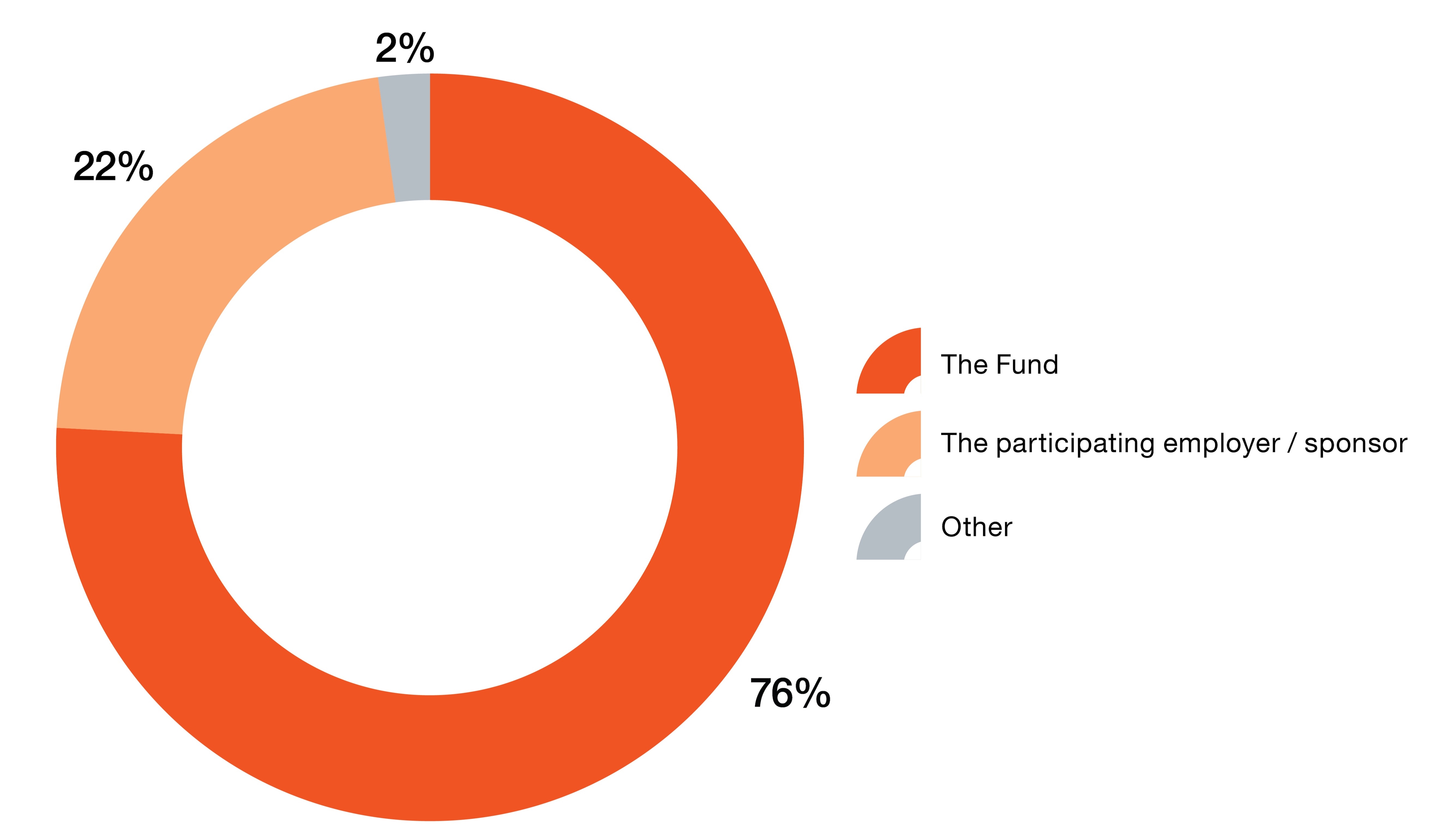
Among the funds that remunerate their board members, the responsibility for determining how much they are paid is influenced by various governance structures. The responsibility for paying board remuneration also varies:
- 76% of participants indicated that the retirement fund is responsible for paying board member remuneration.
- 22% noted that the remuneration is paid by the participating employer or sponsor.
- 2% adopt a shared‑cost model, with both the fund and the sponsor contributing.
These differences reflect how funds balance governance practices, cost structures, and accountability in supporting their boards.
Responsible party for paying remuneration to the Board
Two-Pot implementation
From 1 September 2024, members gained access to the savings “pot” under the new Two‑Pot retirement system. This shift has already had a significant impact, with millions of rands paid out in the first weeks of implementation. As a result, clear and consistent member education has become critical so that members can understand the long‑term implications that early withdrawals may have on their future retirement outcomes.
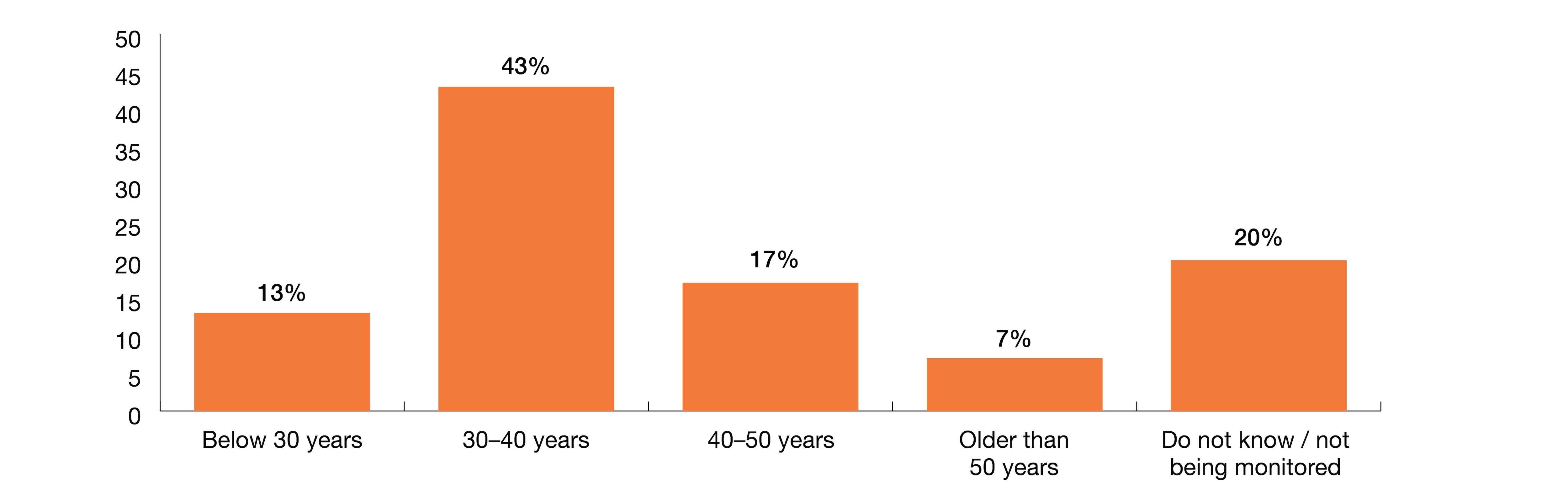
- 43% of respondents indicated that the average age of members who elected to have their savings benefits paid out were between the ages of 30 and 40 years, indicating that mid‑career individuals, who may be facing financial pressures or changing life circumstances, are more likely to make use of the savings withdrawal option.
This early indicator highlights the importance of ongoing communication, personalised advice, and behavioural nudges to support sustainable retirement planning.
What is the age group of the majority of the savings benefit claims?
Cybersecurity
In recognition of growing cybersecurity risks, the Financial Sector Conduct Authority (FSCA) issued the Joint Standard on Cybersecurity and Cyber Resilience, which underscores the need for regulated institutions to adopt robust measures that safeguard critical systems, protect sensitive data, and ensure business continuity.
This year’s survey results indicate that the standard has had a meaningful impact on governance practices. 75% of respondents indicated that the Joint Standard changed the way that the fund considers cyber risks at their service providers, and 92% indicated that they have considered the cyber security of their service providers.
About the survey
This year’s findings are based on responses from 52 retirement funds. Of these respondents:
- 17% manage assets greater than R30 billion
- 71% manage assets between R50 million and R30 billion
- The remainder manage assets below R50 million
Our retirement fund specialist group designed and conducted the survey. Many of the questions were retained from previous surveys to enable us to identify and benchmark unfolding trends, and new questions were introduced in order to understand how funds are reacting to changes in the industry.


